Natural Control
Speech, language, gesture, gaze, switch access, and multimodal input for robotic assistance.
Proposed Full-Day Workshop · HRI 2027
Bringing together the HRI, robotics, accessibility, rehabilitation, and assistive technology communities to shape how people and embodied AI systems work together—building assistance that is usable, trustworthy, adaptable, and centered on the agency of the people it serves.
Workshop proposal in preparation. Participation and scheduling are subject to HRI acceptance.
Image credit
Generated by GPT 5.5 via the ChatGPT interface, following the prompt:
“Generate a picture that could act as a banner for a computer science conference on robotics and accessibility, with a wheelchair user, assistive robot, and researchers prototyping accessible interfaces in a bright studio.”
participants
interactive format
keynote, papers, demos, panel, breakouts, synthesis
Robotics and access tech intersections.
Workshop Focus
Assistive robots and embodied systems support mobility, manipulation, communication, navigation, rehabilitation, and everyday activities. Advancing these systems requires coordinated work across hardware, interaction design, autonomy, safety, evaluation, and deployment in real-world settings.
The workshop centers on technical exchange through short talks, live demos, breakout sessions, and structured synthesis. In the spirit of HRI 2027’s “Innovative HRI” theme, participants will compare interaction and evaluation methods, identify research problems, and outline practical next steps for robotic assistance that preserves meaningful user control.
Speech, language, gesture, gaze, switch access, and multimodal input for robotic assistance.
Interfaces for intervention, correction, handoff, uncertainty, and meaningful user control.
Feedback, explanation, consent, and failure recovery in everyday assistive contexts.
Community-led methods, personalization, lived experience in the loop, and long-term deployment.
Proposed Program
Planned for March 8, 2027, subject to acceptance and conference scheduling. Short breaks will be accommodated within session blocks.
Accessibility notes, workshop goals, and participant introductions.
Interaction challenges across assistive robotics, accessibility, and user agency (20 min talk, 10 min Q&A).
Up to 7 accepted papers, position statements, and early-stage systems (~7 min each, 2 min Q&A).
Accepted contributions accompanied by demos, posters, and system sketches.
Informal conversation and networking over lunch.
Up to 6 additional accepted papers, position statements, and early-stage systems (~7 min each, 2 min Q&A).
Agency, autonomy, safety, shared control, personalization, evaluation, and real-world deployment.
Caregiving, shared autonomy, multimodal control, visual access, XR for robot interaction, and disability-led evaluation.
Groups summarize key ideas, design tensions, research questions, and concrete collaboration opportunities.
Next steps, website resources, and community-building plans.
Participate
We welcome researchers, practitioners, designers, students, clinicians, and people with lived experience of disability. No particular robot platform or technical background is required.
The call for participation, submission dates, and interest form will be posted here if the workshop is accepted. In the meantime, contact us with research interests, demo ideas, or accessibility questions.
Contact the OrganizersOutputs
The workshop emphasizes focused synthesis, open research directions, and sustained collaboration beyond the event.
A concise summary of major themes, recurring challenges, and promising opportunities raised across talks, demos, and breakout conversations.
A set of candidate research questions and directions that participants may explore in future projects, studies, and collaborations.
New connections among researchers and practitioners across relevant communities to support follow-on conversations, sharing, and collaboration.
A shared collection of available workshop materials such as slides, references, notes, and related resources contributed by participants.
Organizers
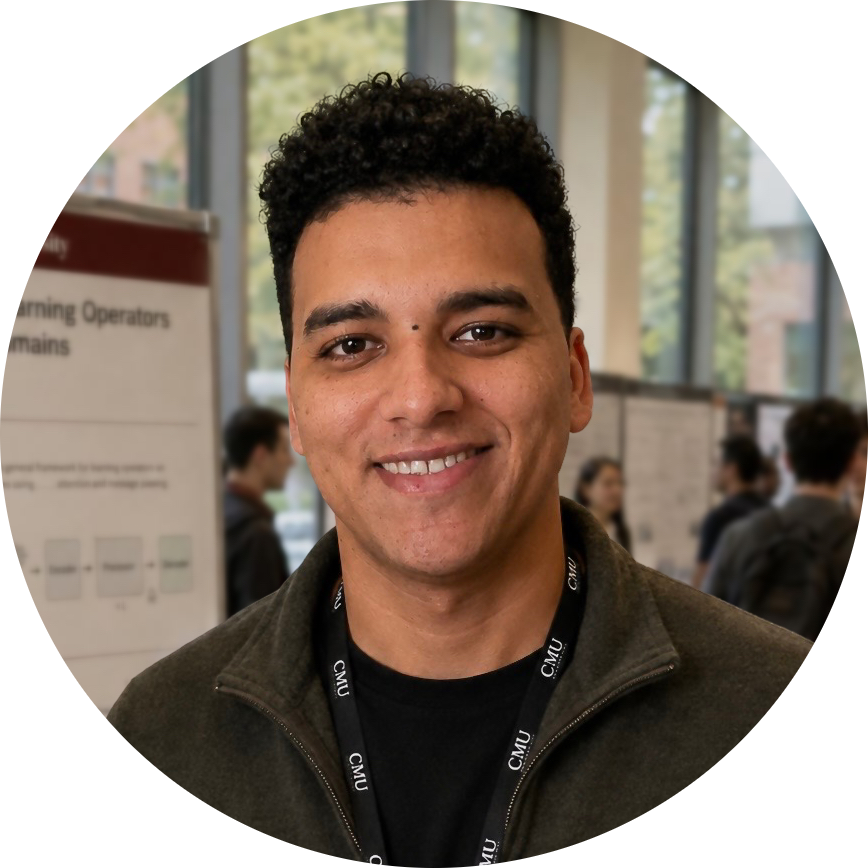
Carnegie Mellon University
Ph.D. student building cyber-physical human augmentation systems across embedded sensing, machine learning, robotics, speech and audio interfaces, and human-AI collaboration.
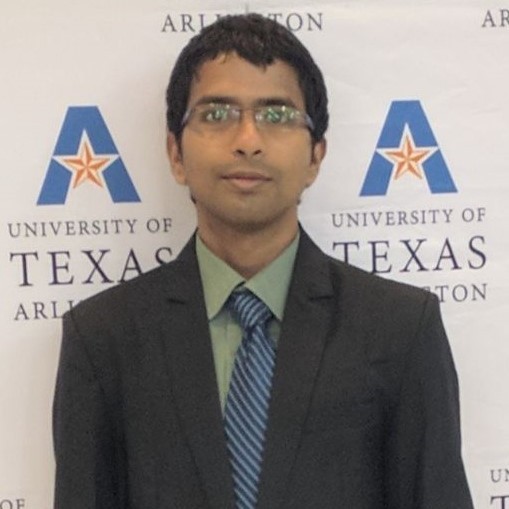
Texas A&M University
Assistant Professor developing assistive navigation and robotic systems that help blind and low-vision people navigate dynamic environments and interact with robots.
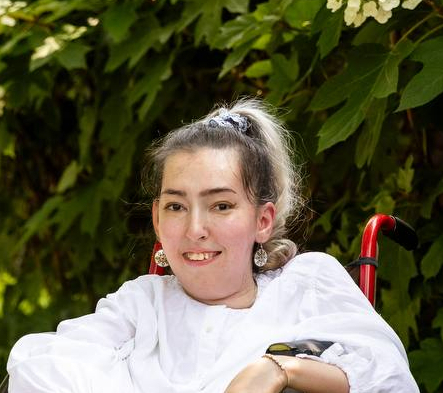
Carnegie Mellon University
Presidential Postdoctoral Fellow working across accessibility, human-centered AI, mixed reality, and participatory design for agency and creative expression.

University of Michigan
Ph.D. candidate designing human-AI systems that make digital and physical interfaces more intelligent and accessible, spanning accessibility, AR, and interaction techniques.

TU Dortmund University
Postdoctoral researcher studying AI-enhanced HRI, shared-control techniques for assistive robotic arms, autonomous-task intervention, and XR-based prototyping.
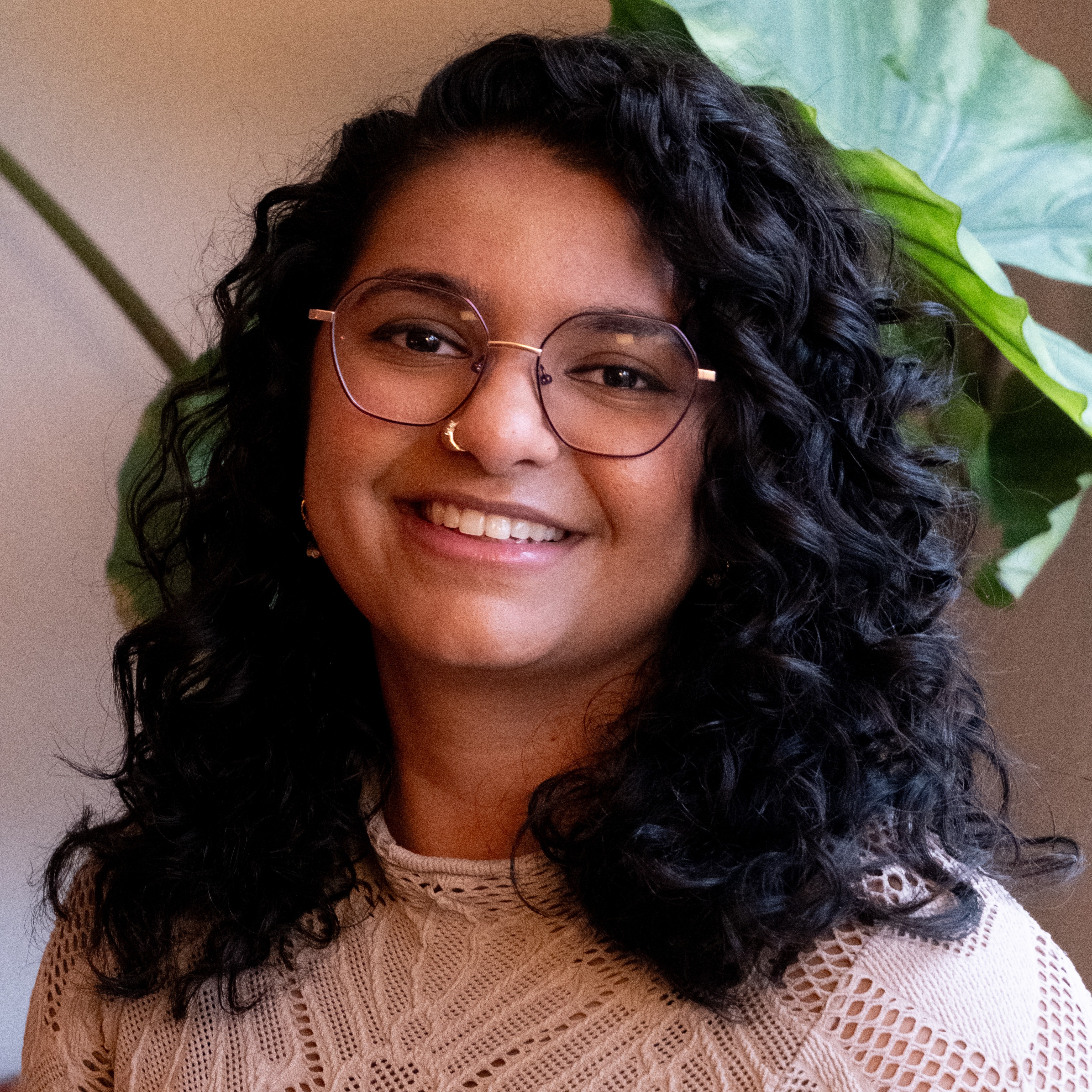
Stanford University
Postdoctoral Scholar developing assistive robotics across teleoperation, shared autonomy, navigation, and manipulation, building on prior work leading HRI for Stretch at Hello Robot.
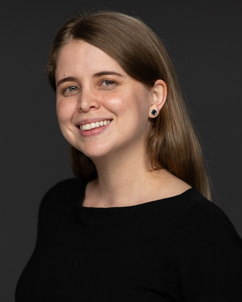
University of Maryland
Assistant Professor designing equitable assistive technology, open-source hardware, and expressive communication systems with participatory methods.

Carnegie Mellon University
Assistant Professor leading the Robotic Caregiving and Human Interaction Lab, developing robot learning, mobile manipulation, and sensing for physically assistive human-robot interaction.

Cornell University
Assistant Professor directing the EmPRISE Lab, focused on physical robot caregiving, manipulation, haptic perception, tactile sensing, and real-world assistive systems.
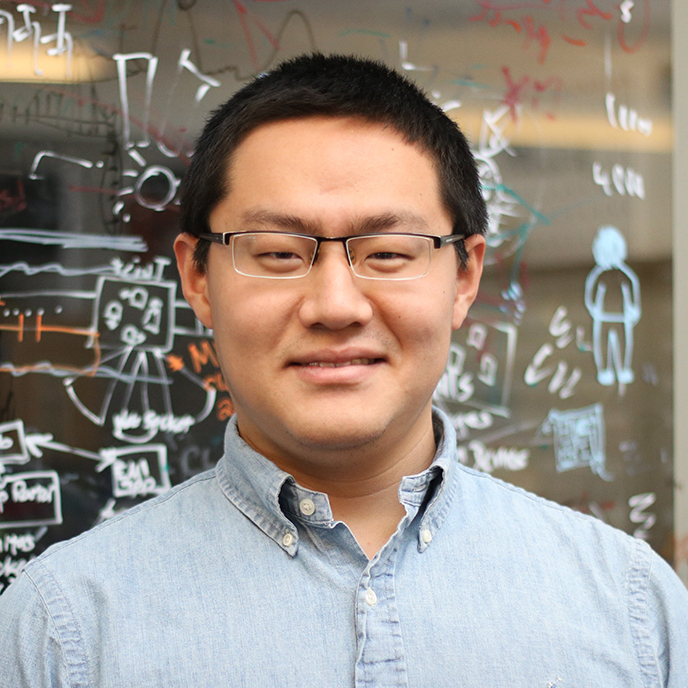
University of Michigan
Assistant Professor working at the intersection of HCI and AI to build interactive systems for accessibility, visual access, and human-AI collaboration.

Boston University
Assistant Professor developing machine-intelligence systems for real-world embodied, assistive, and autonomous applications, including accessible navigation.
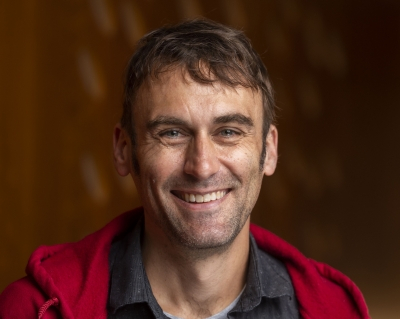
Apple Inc. Carnegie Mellon University
Associate Professor and Director of Human-Centered Machine Intelligence and Responsible AI, working on accessibility technologies, AI/ML design, and deployable interactive systems.
Questions?